











Overview
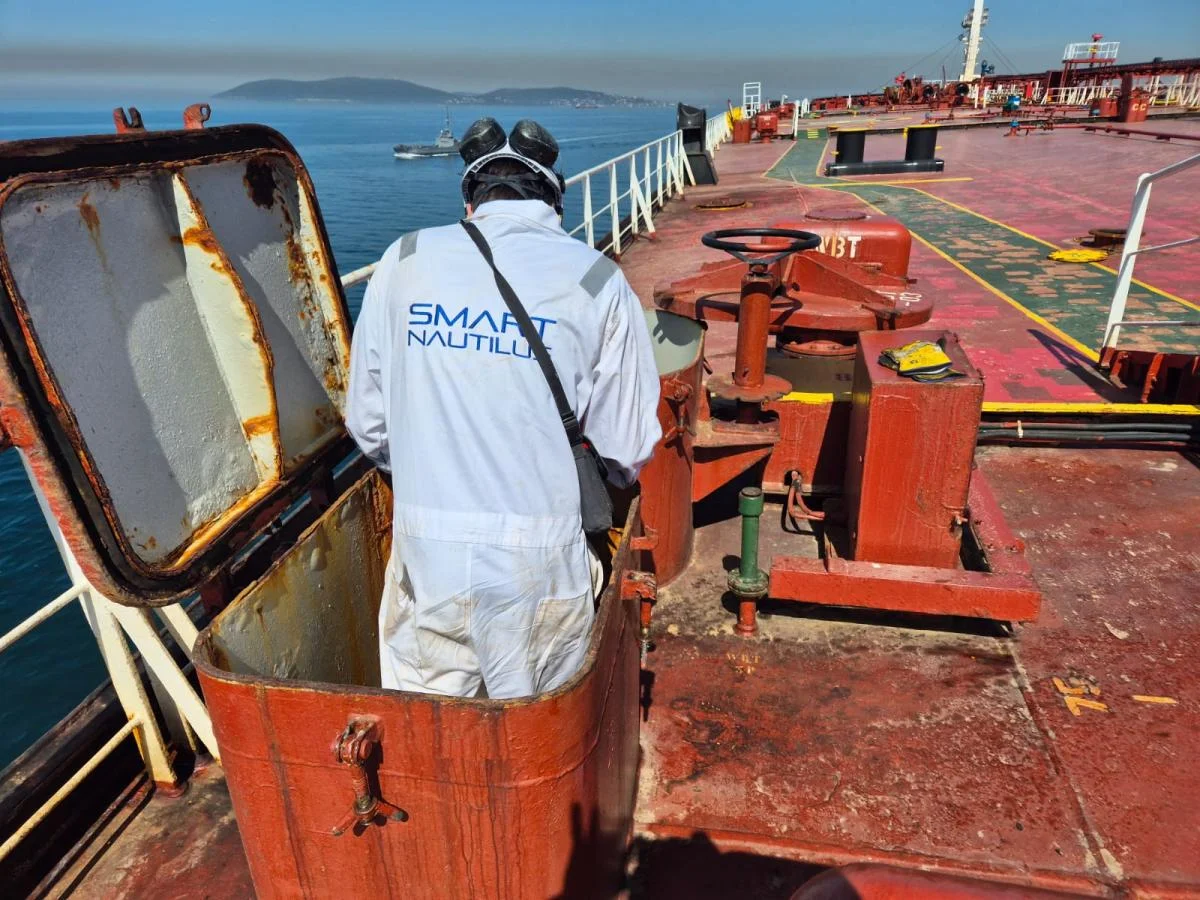
Ports rarely offer generous time windows. Yet operators still need clear answers—fast—on propeller condition, hull integrity, and the level of fouling that may justify cleaning before departure. Developed together with Smart Nautilus—a ship‑inspection service provider with active port and shipyard operations—this case study summarizes a repeatable, decision‑oriented workflow for hull inspections during port calls, based on real field practice shared by an experienced inspection provider.
The goal is not “to collect video.” The goal is to produce decision‑grade evidence—steady imagery, clear context, and a short written recommendation that an operator can act on.
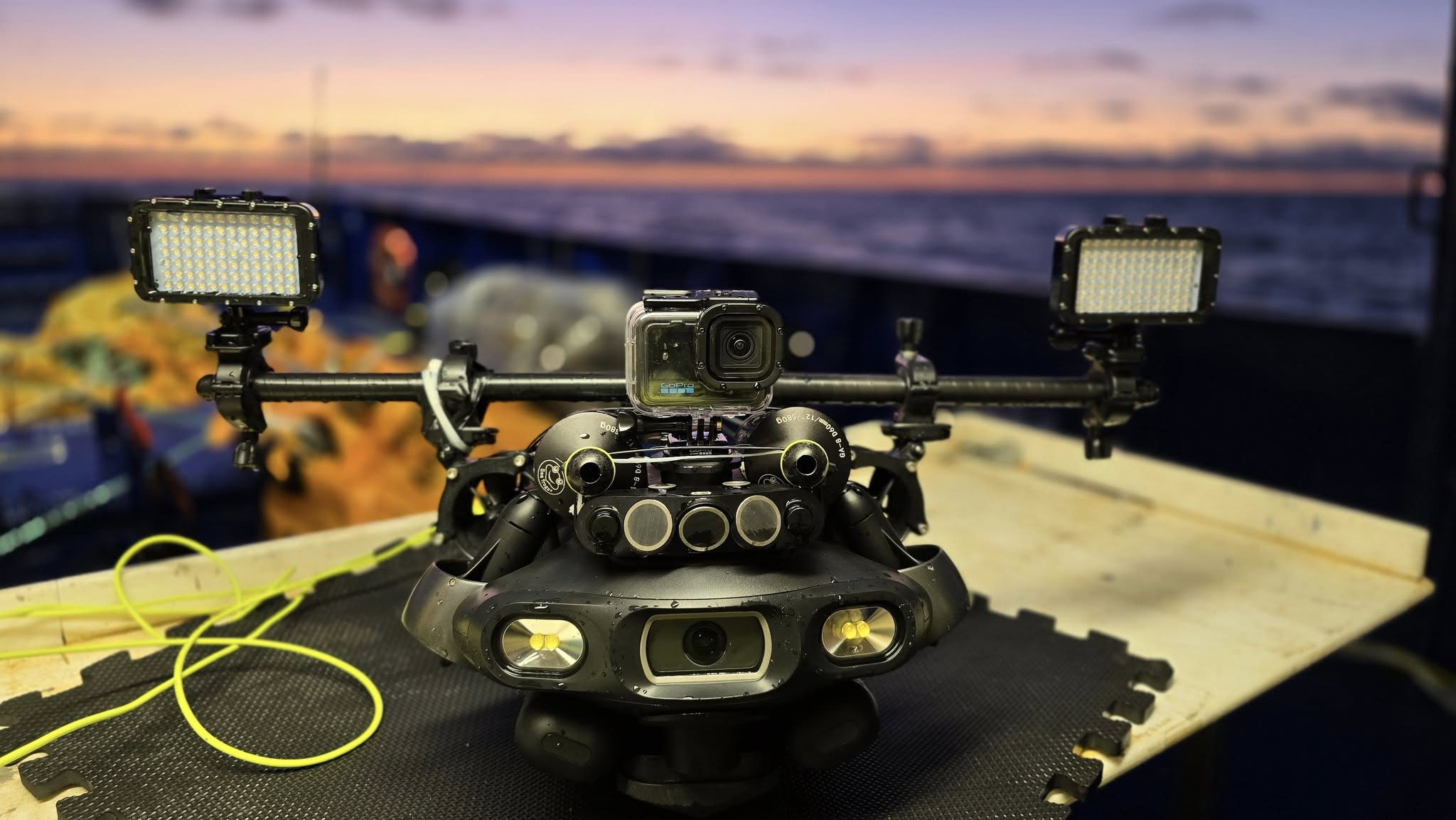
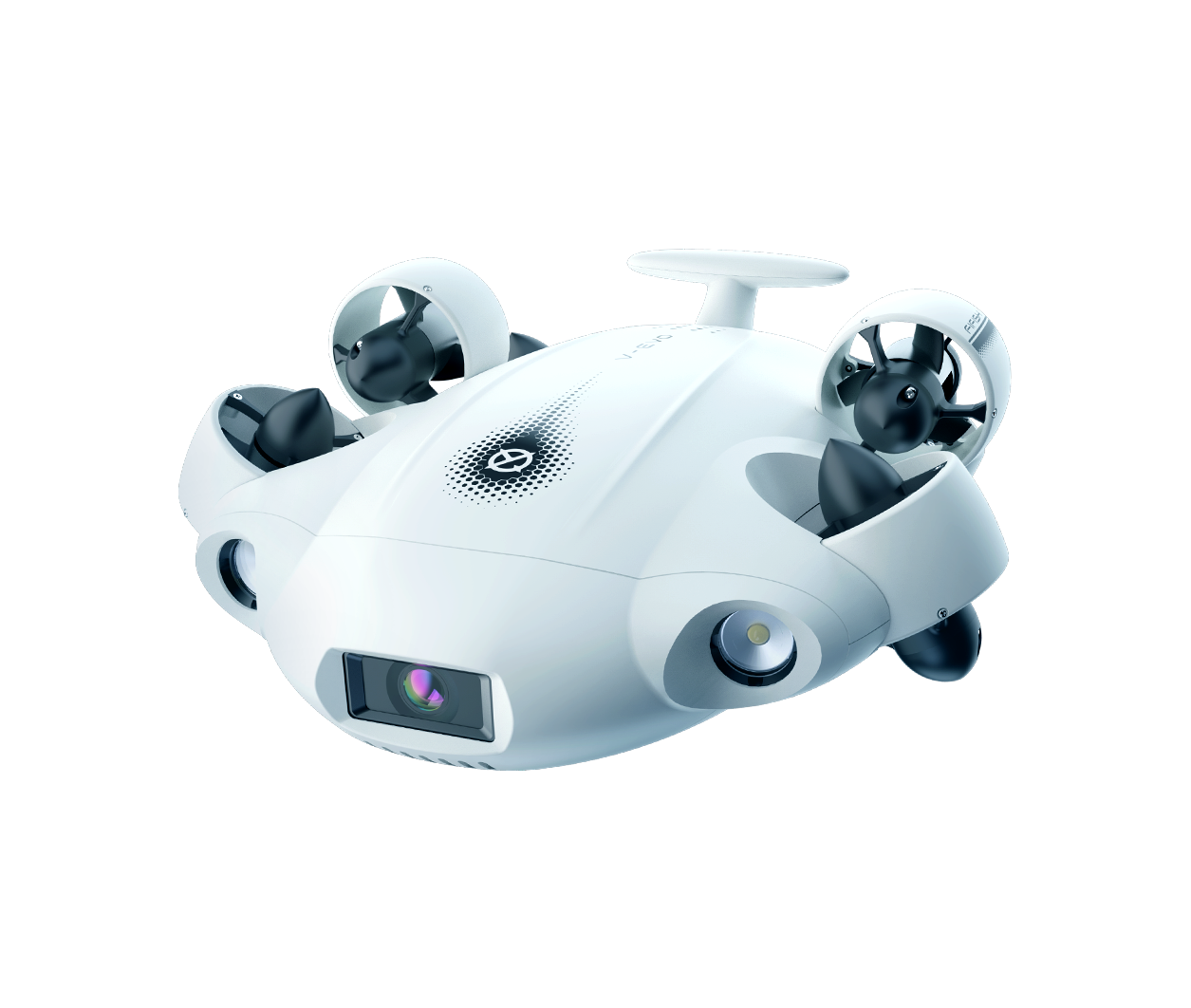
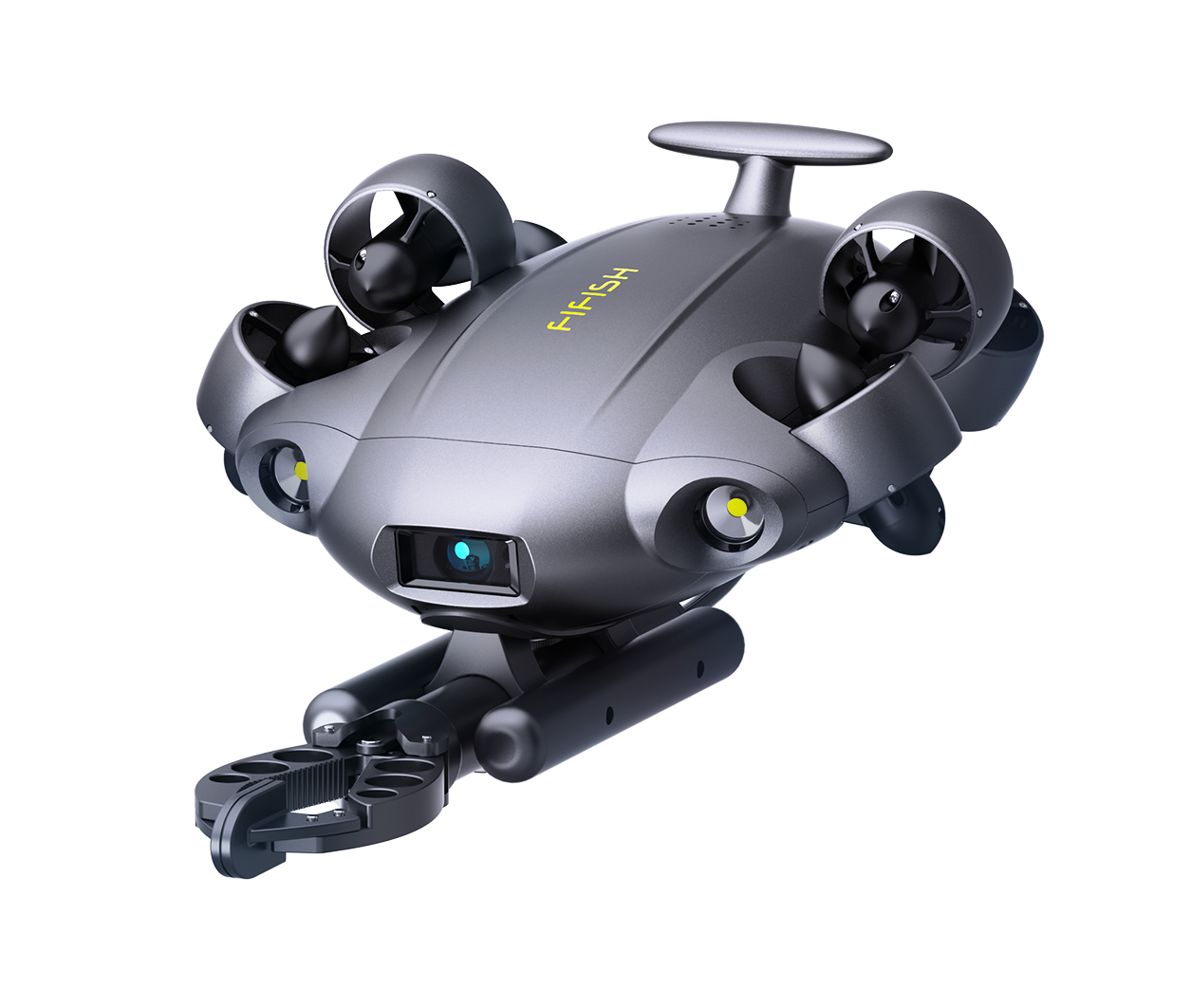
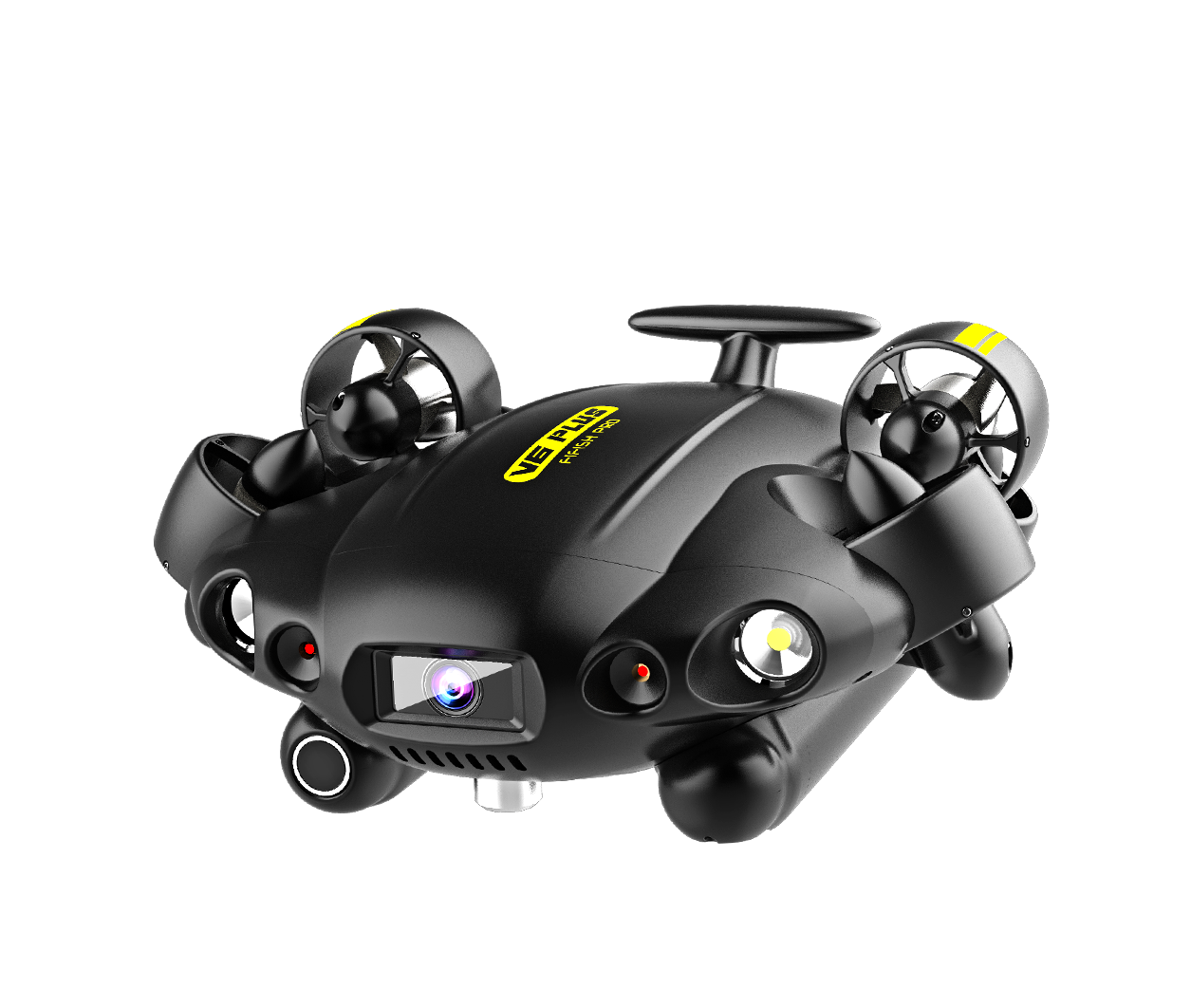
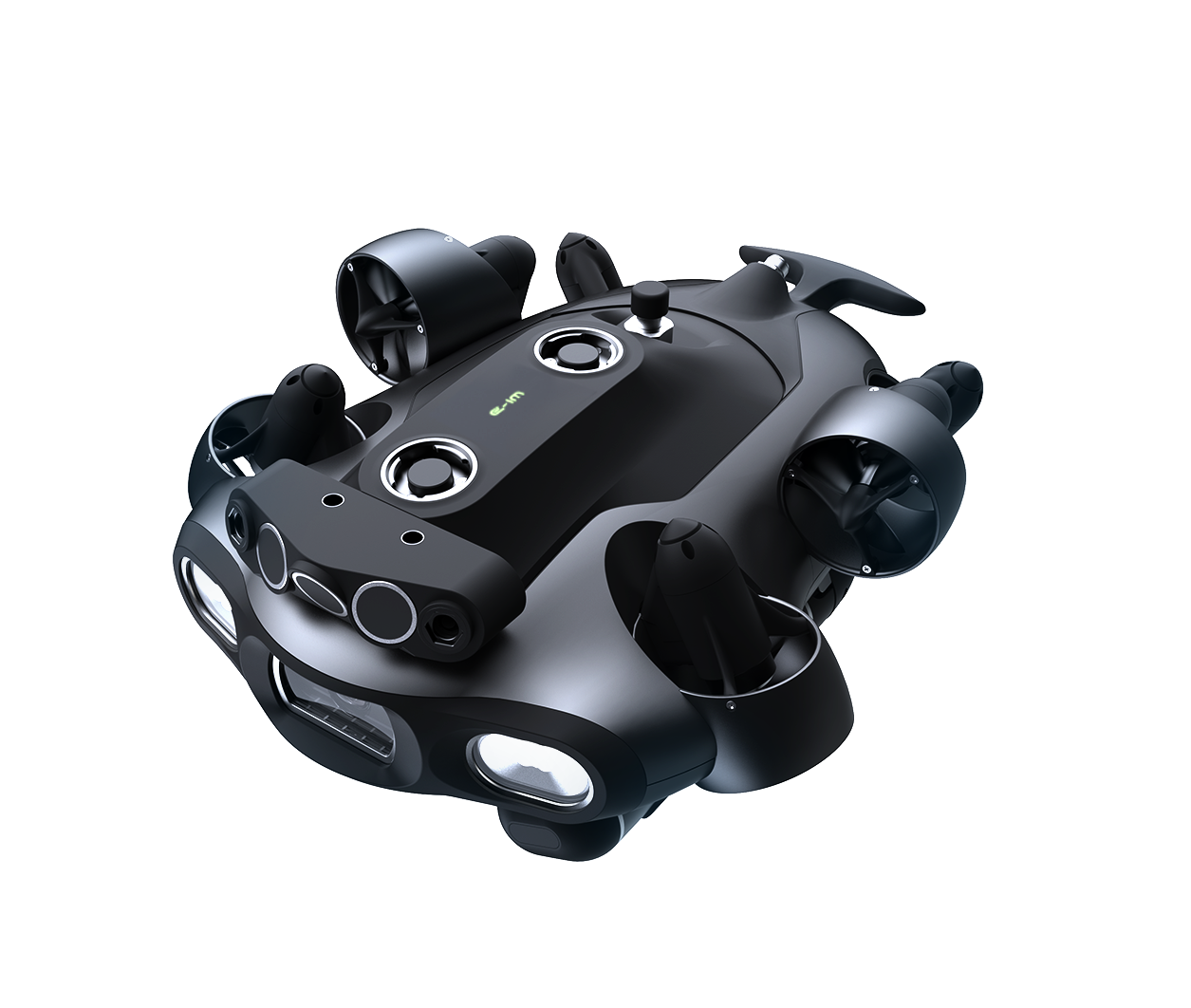
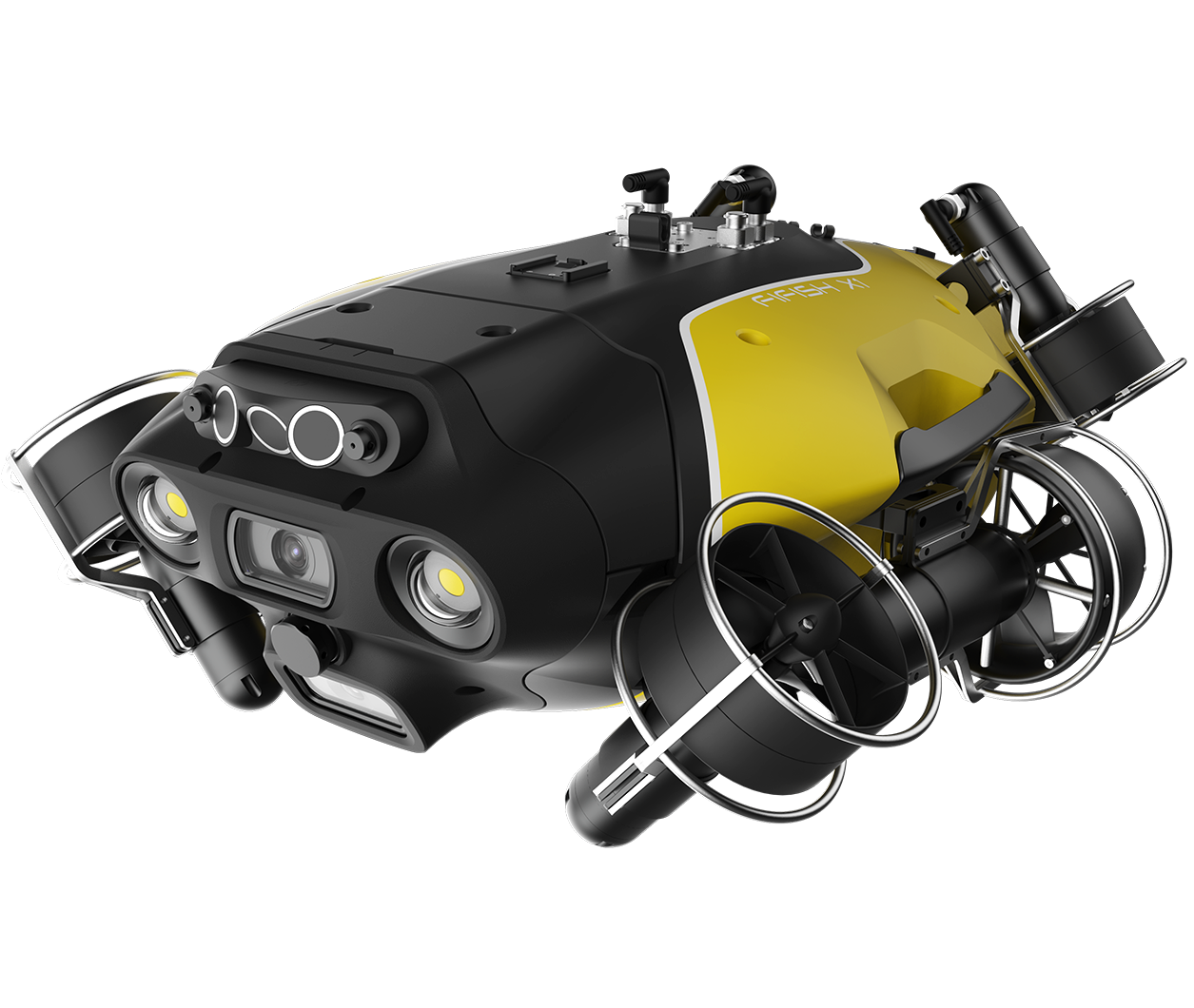
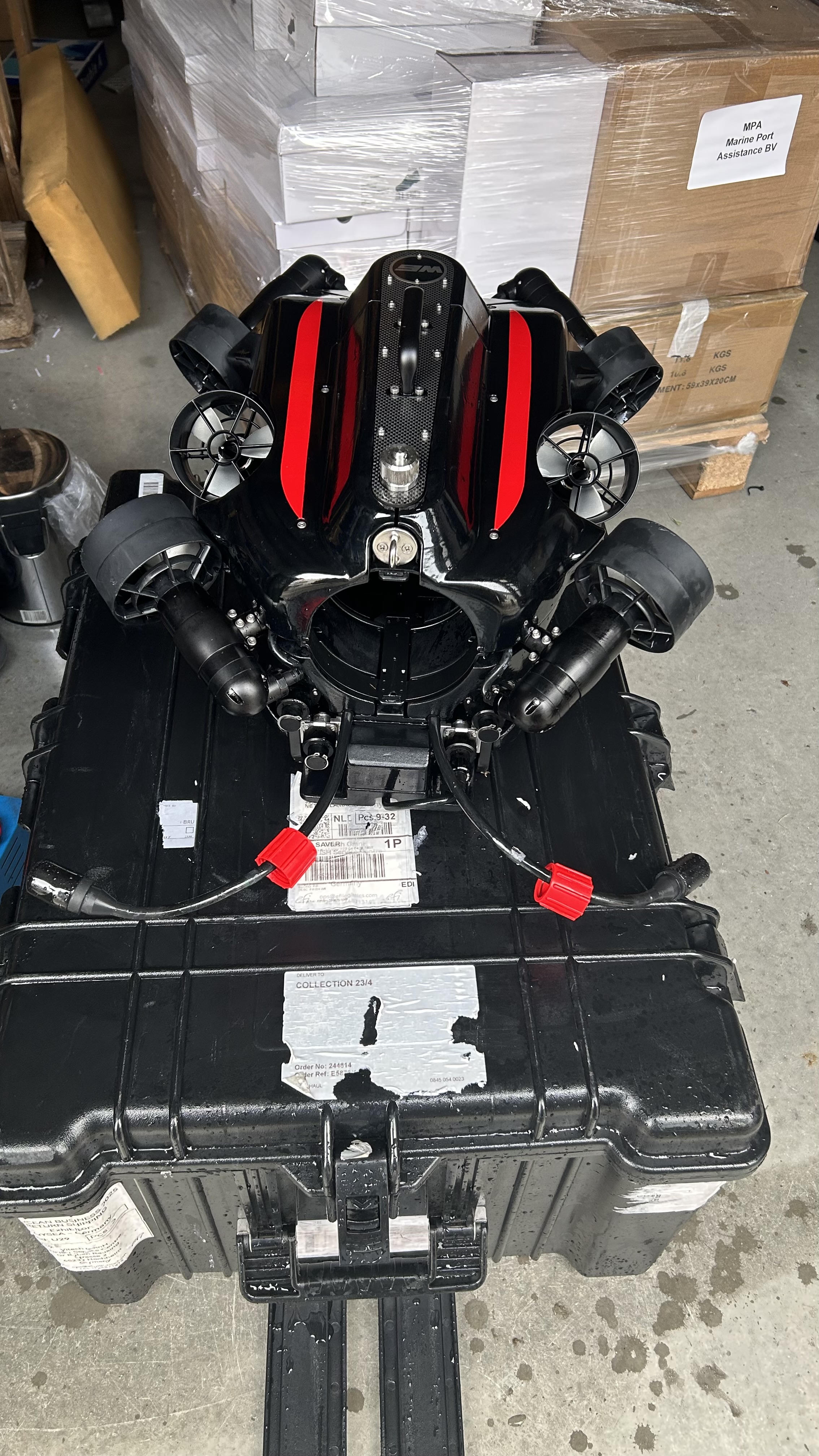
At the center of the workflow is a practical two‑platform approach using FIFISH ROVs:
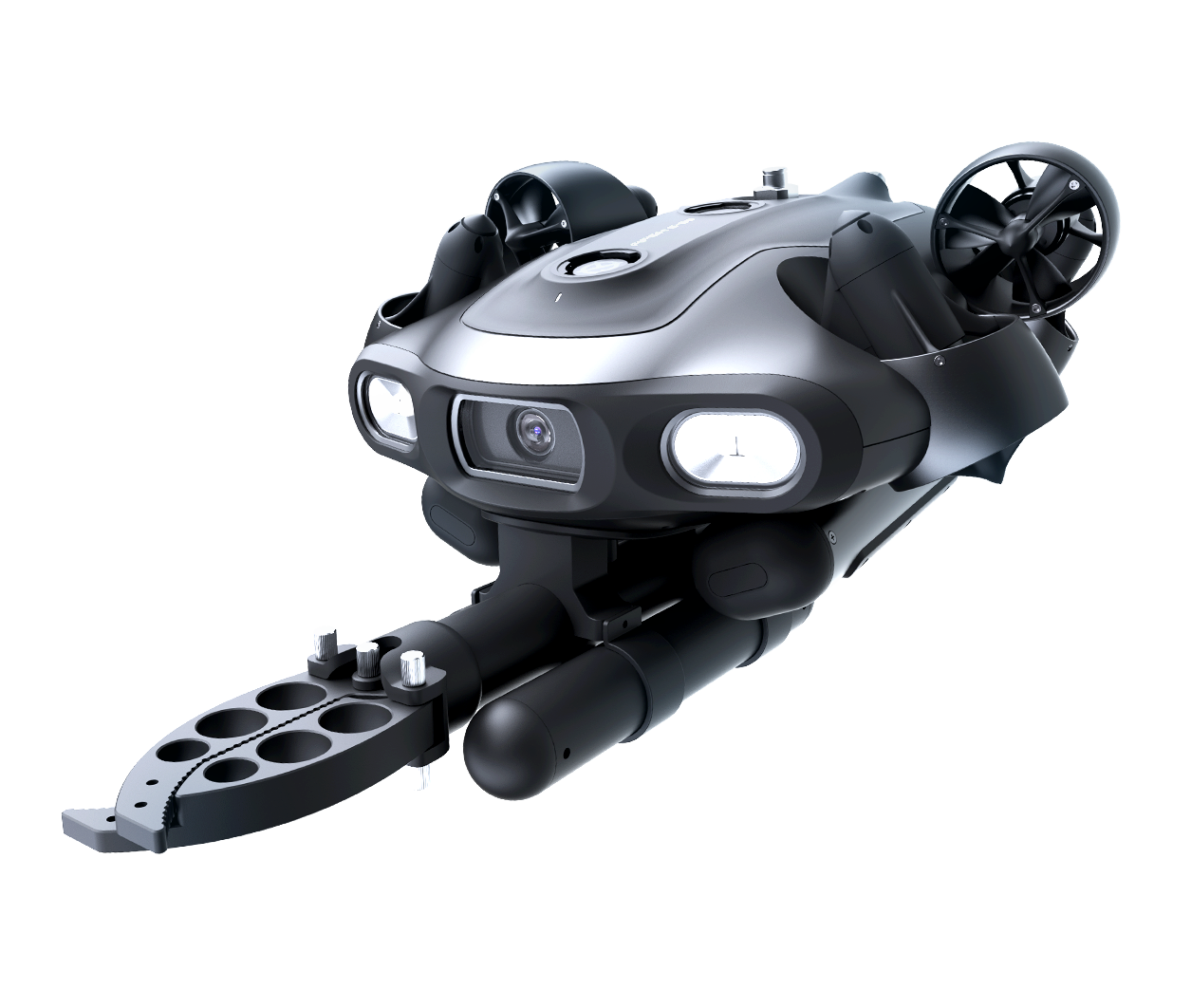
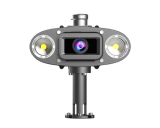
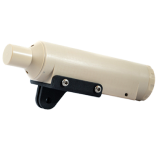
FIFISH E‑MASTER Plus as the primary close‑up platform for vertical surfaces, built around forward Q‑DVL (station/distance‑lock) and U‑INS Plus (vertical surface navigation) to keep framing steady and repeatable.
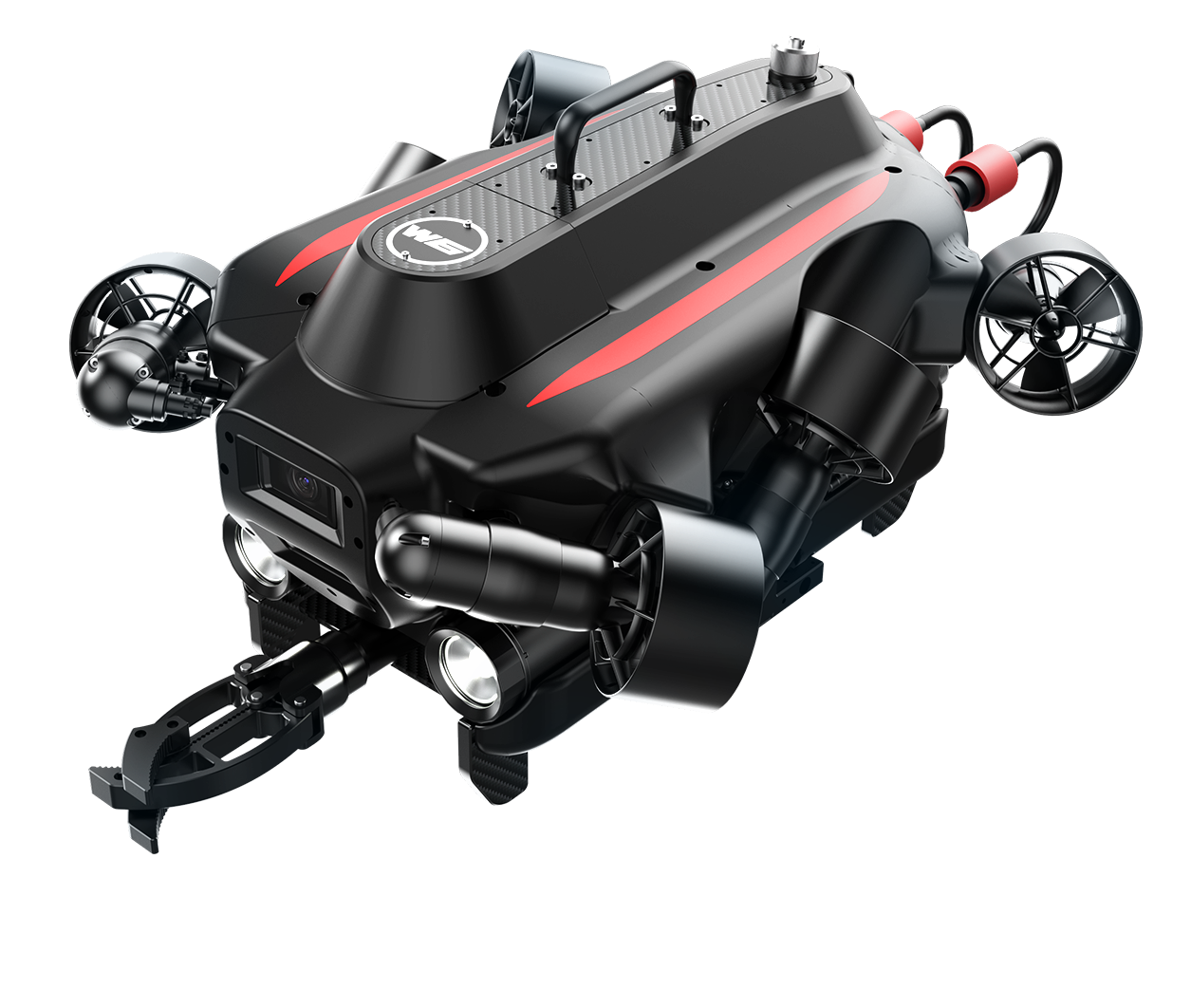
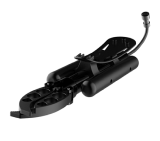
FIFISH W6 as the heavy‑duty, industrial platform when conditions, mission profile, or stakeholder expectations require a larger system.
The Problem: Why Port‑Time Inspections Are Hard
A port‑time inspection is constrained by three realities:
1) The window is short. In practice, teams often have only a few hours to complete the inspection, which forces prioritization and disciplined execution.
2) Permissions and restrictions vary by port. Processes are not standardized. Certain port activities—especially sensitive operations—can increase restrictions and complicate approvals.
3) Fouling is not a cosmetic issue. Biofouling affects fuel consumption and operational efficiency. Under time pressure, owners still need credible evidence to decide if cleaning is warranted.
The Operating Model: Evidence → Analysis → Recommendation
A reliable port‑time inspection depends on an operating model built around outcomes.
Step 1 — Pre‑job planning and risk assessment
Before the vessel is ever in view, strong teams invest time in:
Clarifying the inspection objective (routine condition check vs. “decision required before departure”).
Checking port constraints and any special restrictions.
Defining what “good evidence” looks like for approval (what must be shown, from what angles, and at what standoff distance).
This step prevents the most common failure mode in port‑time inspections: spending the window “searching” instead of executing.
Step 2 — Fast mobilization with minimal personnel
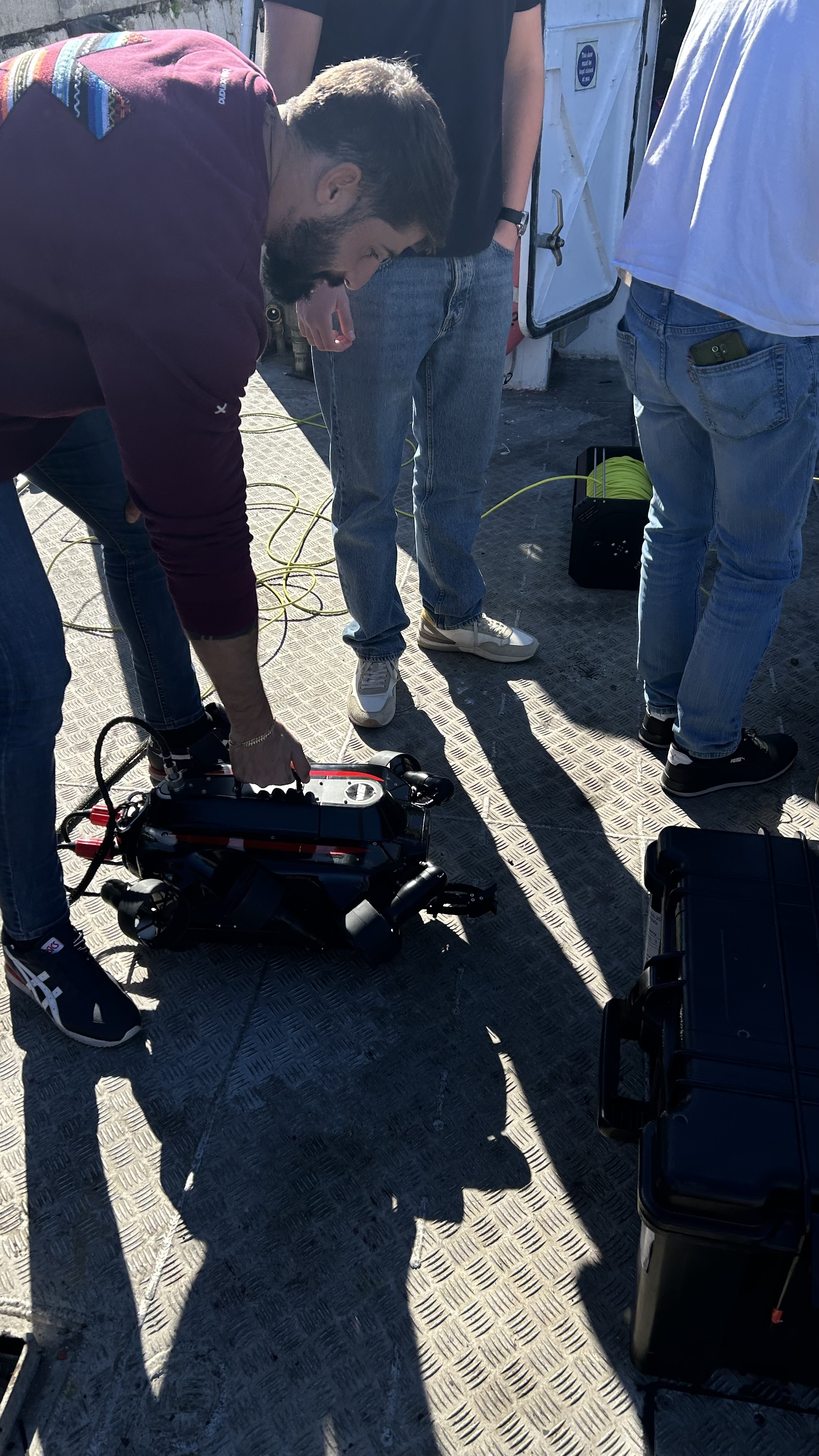
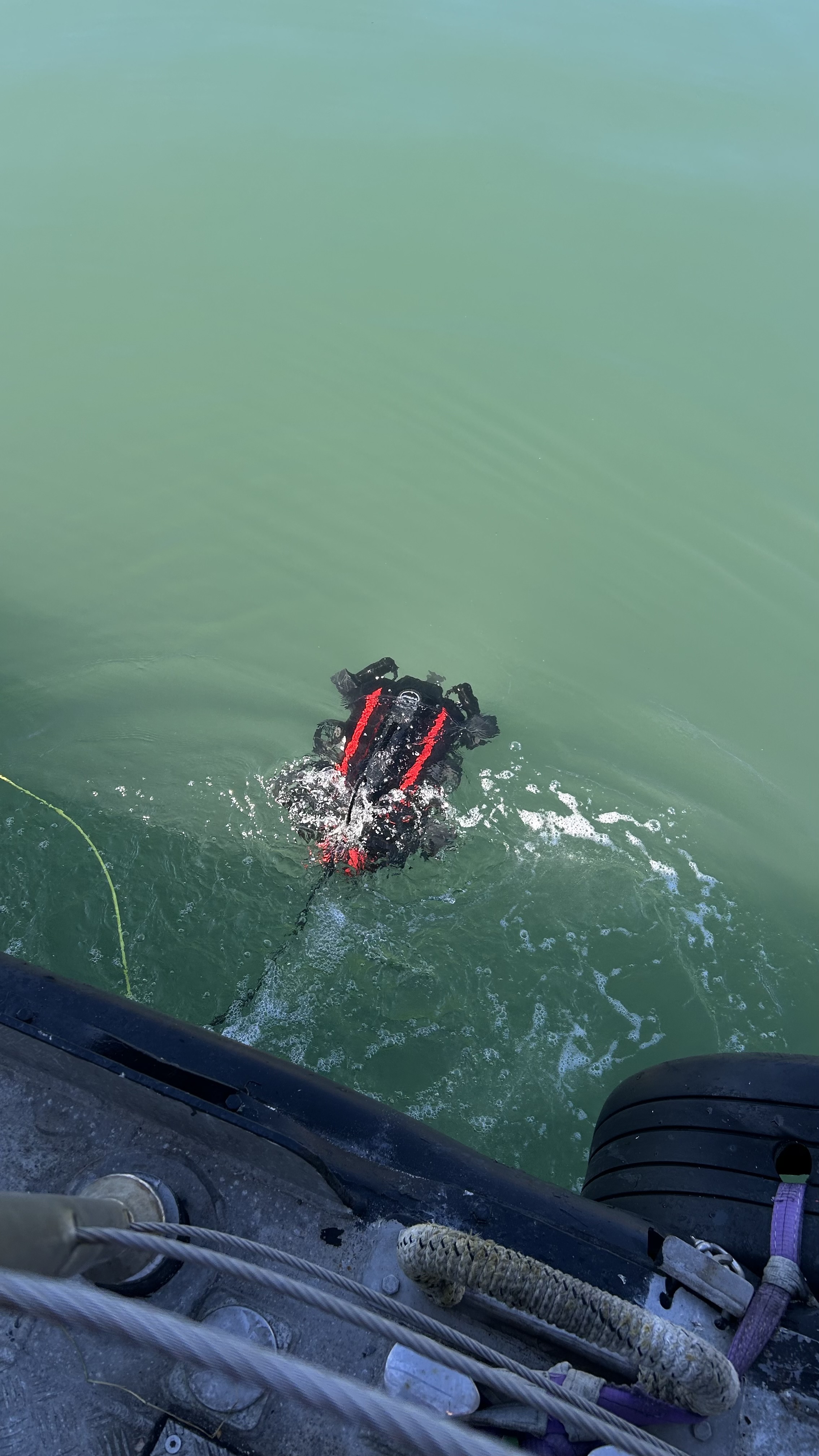
Compared with diver operations—which typically require more equipment and coordination—ROV inspections can be deployed with a smaller crew footprint. This materially reduces setup complexity when time is tight.
Step 3 — Controlled capture near the hull
Near‑hull work is mainly a stability problem.
The field team emphasized three practical priorities:
Maintain a consistent standoff distance to avoid contact while keeping framing stable.
Control visibility and lighting so imagery remains usable in muddy or low‑visibility port water.
Avoid unnecessary maneuvering that drains battery and shortens effective inspection time.
This is where stabilization and navigation assists become meaningful enablers.
The workflow: Evidence → Review → Recommendation
A successful port‑time inspection is best treated as an operation, not a filming session.
1) Start with intent, not coverage
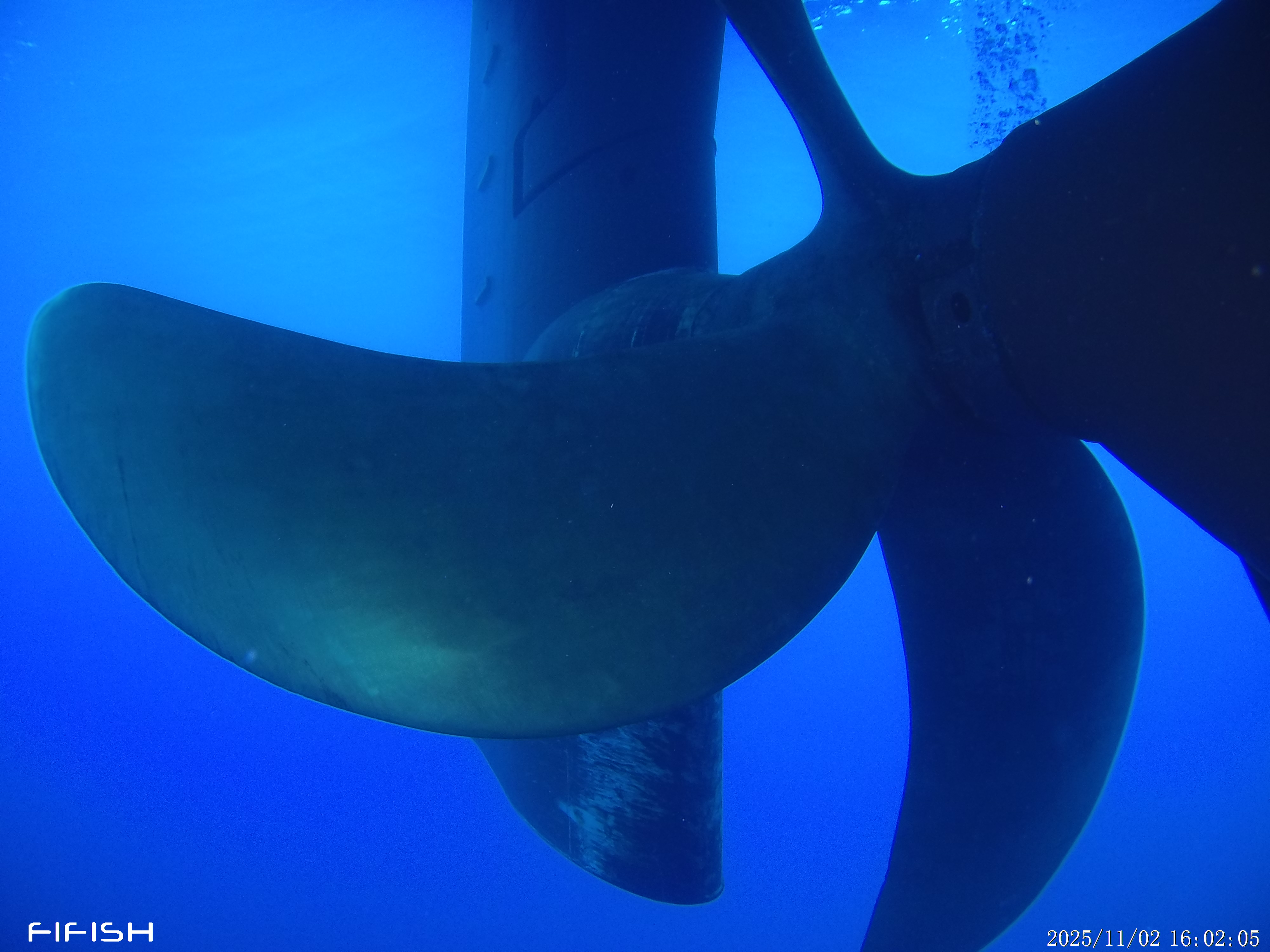
The first decision is what the inspection must enable. Is it a routine condition check, or a “decision before departure” task? Once the intent is clear, the team can define minimum viable coverage—typically prioritizing propeller close‑ups and selected hull areas that most directly affect risk and performance.
2) Execute with controlled standoff and framing discipline
Near‑hull work is mainly a stability problem. If the team can maintain a consistent standoff distance and keep the camera locked on the target area, the evidence becomes trustworthy.
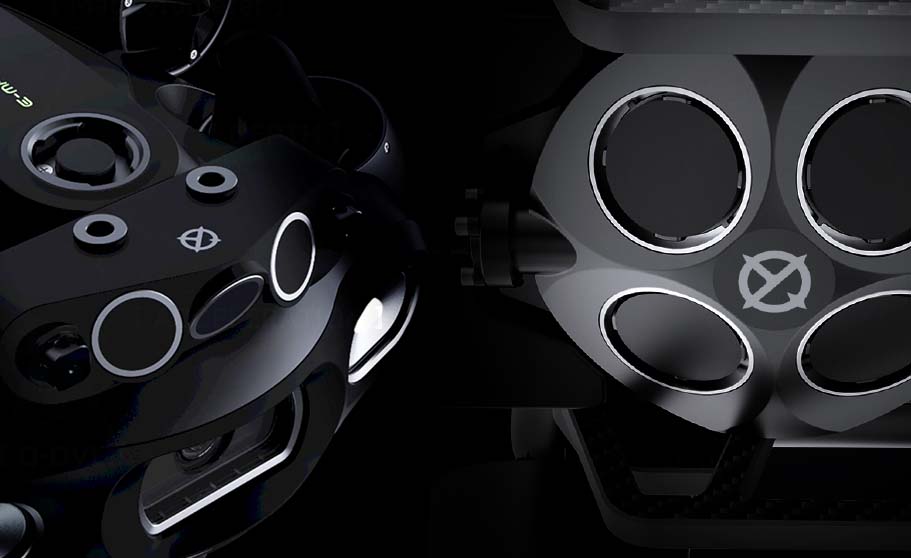
This is where FIFISH E‑MASTER Plus is designed to perform. With forward Q‑DVL station/distance‑lock, pilots can stabilize for close‑ups without constant micro‑corrections. With U‑INS Plus supporting vertical surface navigation, teams can run more repeatable passes and maintain framing discipline along hull panels.
When conditions, payload requirements, or client expectations call for a larger industrial platform, FIFISH W6 becomes the natural complement. It is the platform teams lean on for heavier‑duty missions, more demanding environments, and high‑confidence client demonstrations.
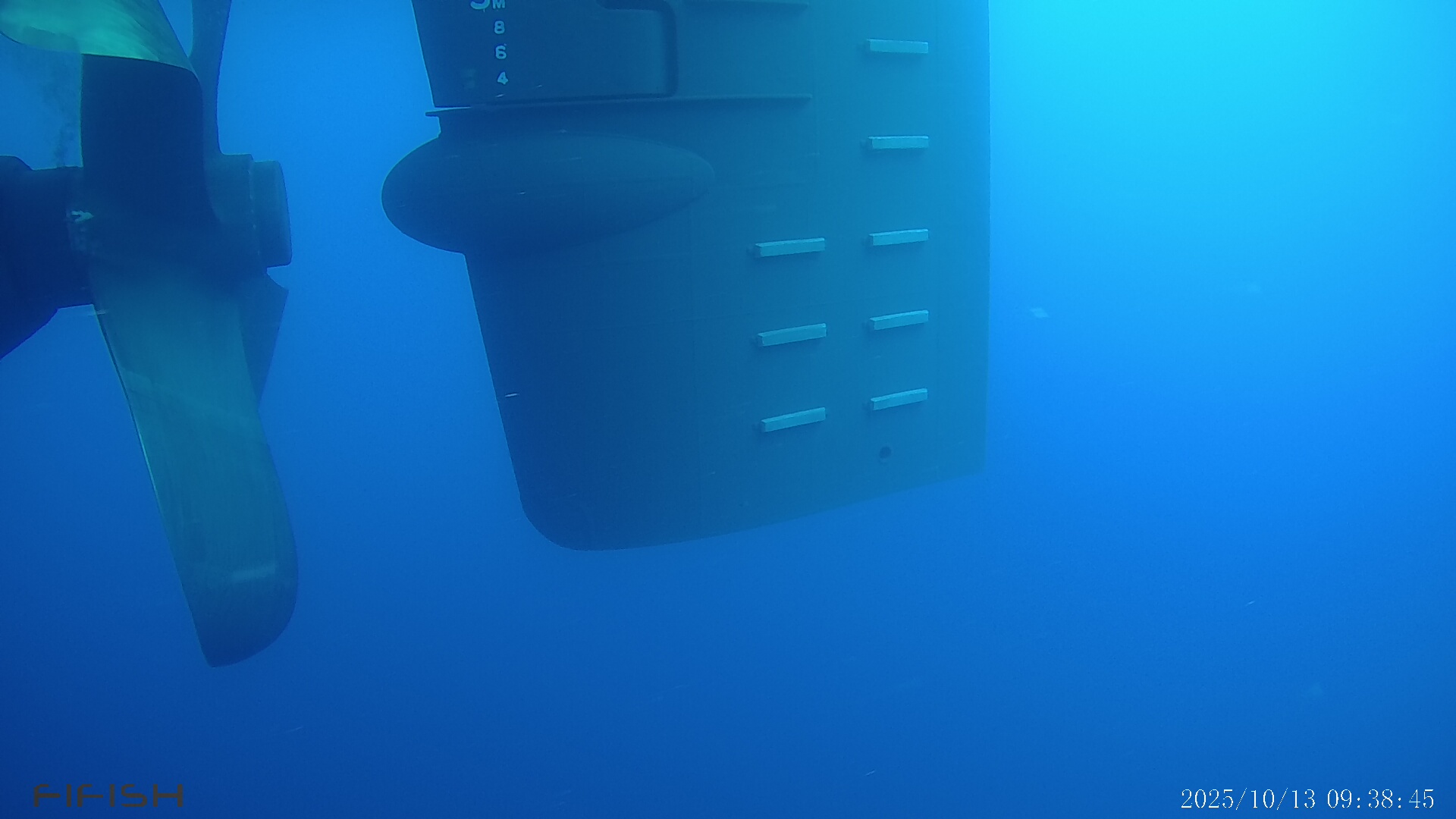
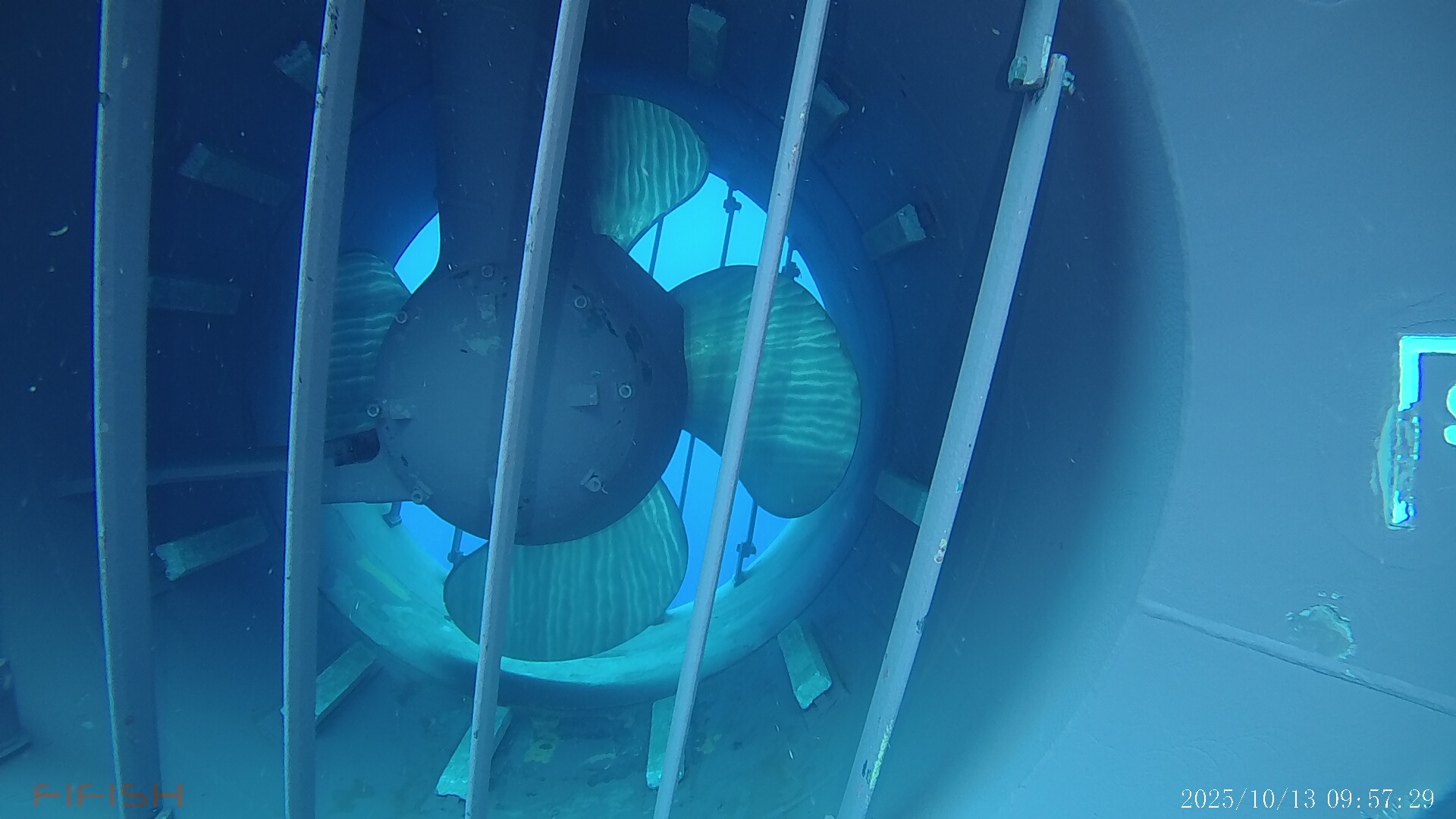
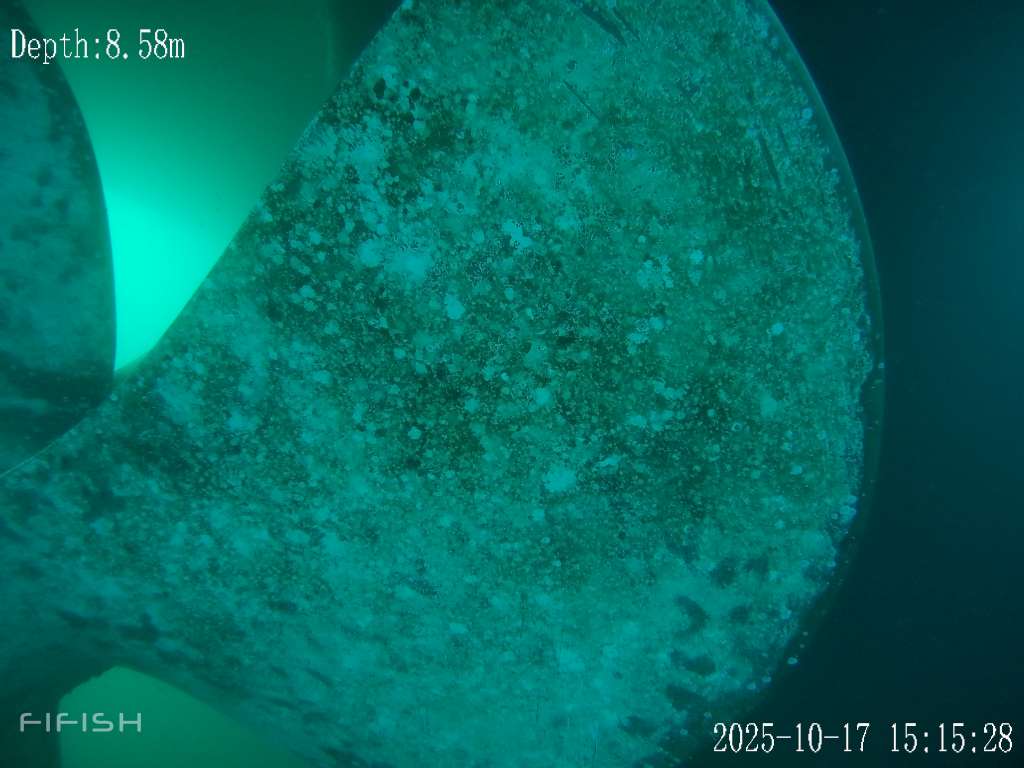
3) Package evidence the way decision‑makers consume it
In a port‑time scenario, the evidence needs to travel from the inspection team to operations fast. The most effective teams standardize the output:
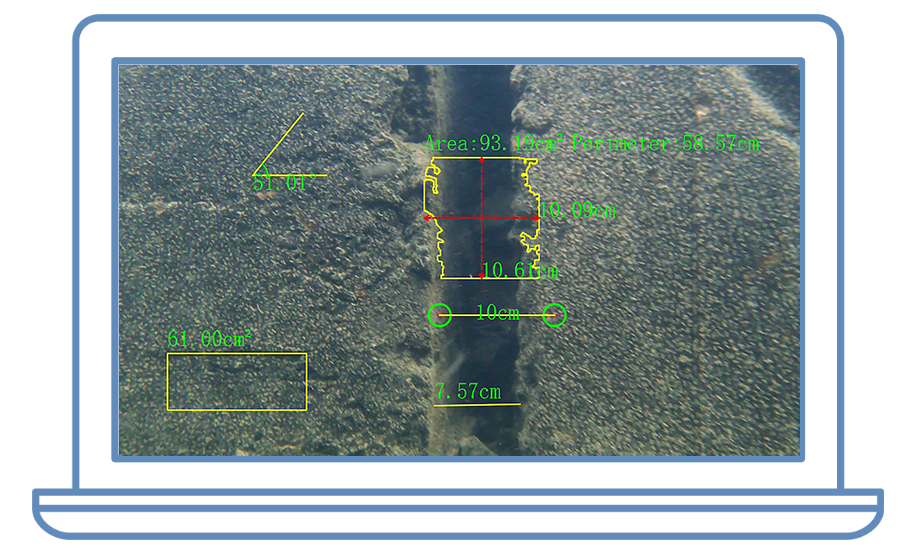
one annotated still that shows the key finding,
one short clip that provides context and verifies stability,
one sentence explaining impact and recommended action.
This structure shortens the approval loop because it removes ambiguity.
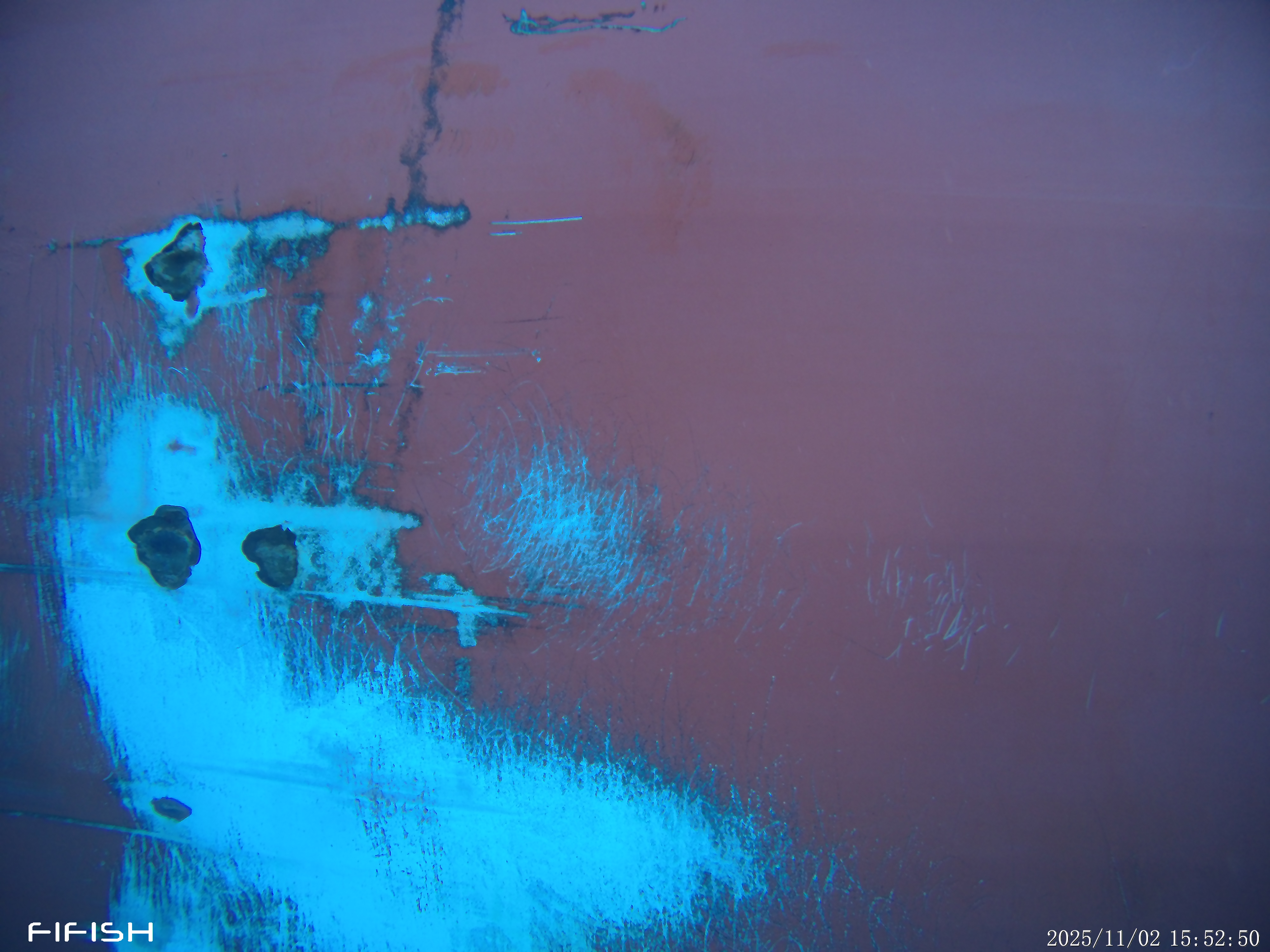
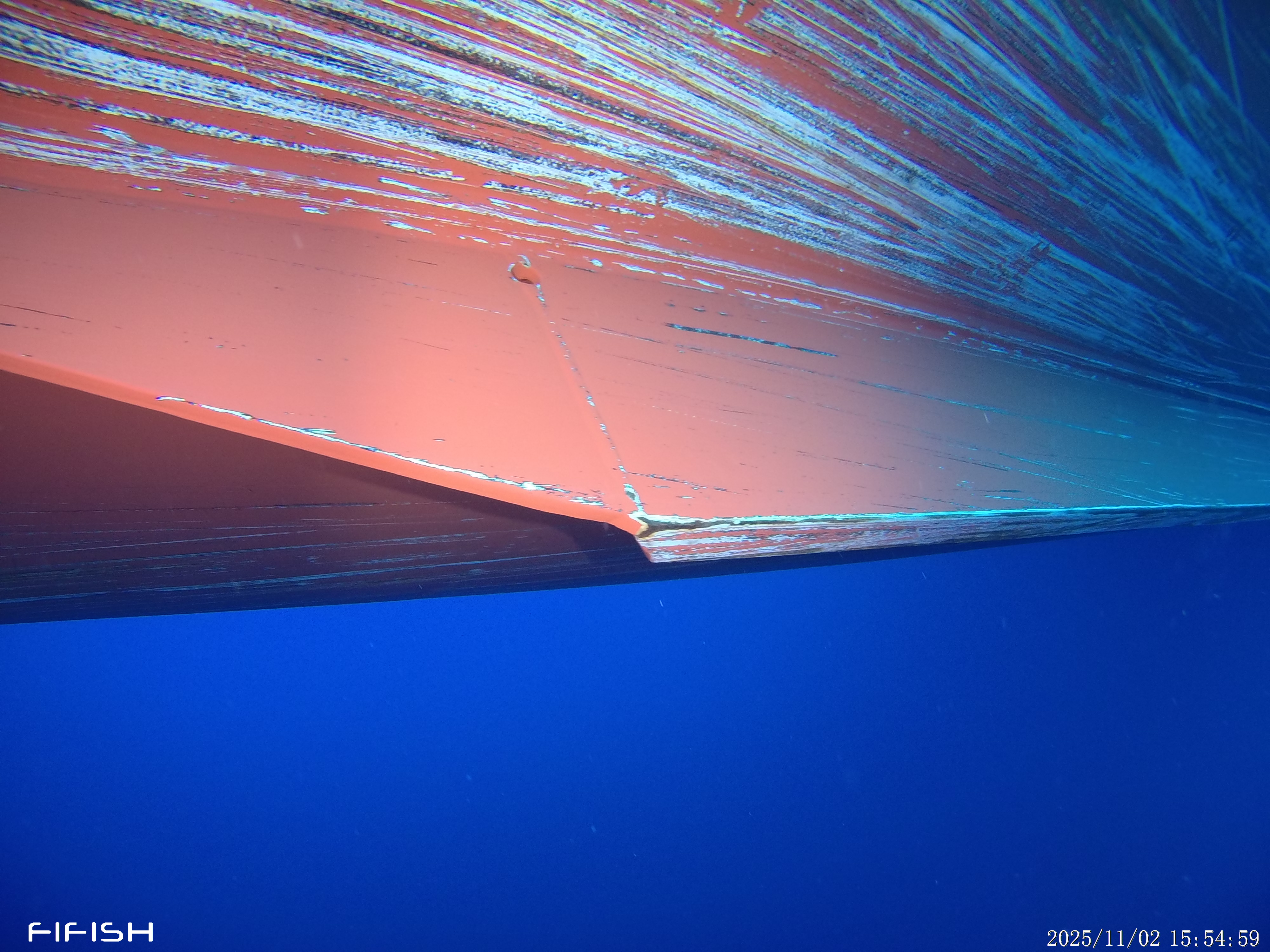
Field Narrative: What a Successful Port‑Time Inspection Looks Like
A typical job starts with uncertainty. A vessel arrives with suspected fouling or a concern raised during planning. The inspection team has limited time and needs to confirm condition without disrupting schedules.
The team mobilizes with a clear plan: propeller first, then targeted hull zones. Close‑ups are captured with stable framing, using station/distance‑lock to keep the camera steady while holding a safe standoff. The pilot avoids unnecessary maneuvering to preserve effective inspection time.
Once the key visuals are captured, the team does not continue “just in case.” They review quickly, pick the highest‑signal evidence, and prepare a concise recommendation. The outcome is not a long report. It is a short decision package that an operator can approve without a meeting.
That is the operational value of the workflow: speed with credibility.
What the Client Actually Buys
For owners and operators, the real deliverable is not the ROV. It is:
A clear picture of condition (propeller and key hull zones).
Evidence suitable for approval (usable imagery, with context).
A short recommendation that supports an operational decision—continue, clean, re‑inspect, or plan follow‑up work.
Where to Learn More
This workflow was shaped in collaboration with Smart Nautilus, a ship‑inspection service provider with active field operations. They delivers underwater hull inspection services with an end-to-end operational approach. Their scope covers full hull condition checks, including propellers and “niche” areas, and the service is supported by their own field logistics—support boats, trained operators, and job preparation processes.
If you would like to see how this approach is executed in practice—crew mobilization, evidence packaging, and client decision workflows—please contact Smart Nautilus directly via their website: smartnautilus.com
If you need decision-grade hull evidence during port calls, share your vessel type, port constraints, and required deliverables. We will recommend a suitable FIFISH setup and a repeatable capture-and-report structure.