












QYSEA Marks 10th Anniversary by Unveiling Intelligent Underwater Task Systems Strategy
2026-08-10
Share:


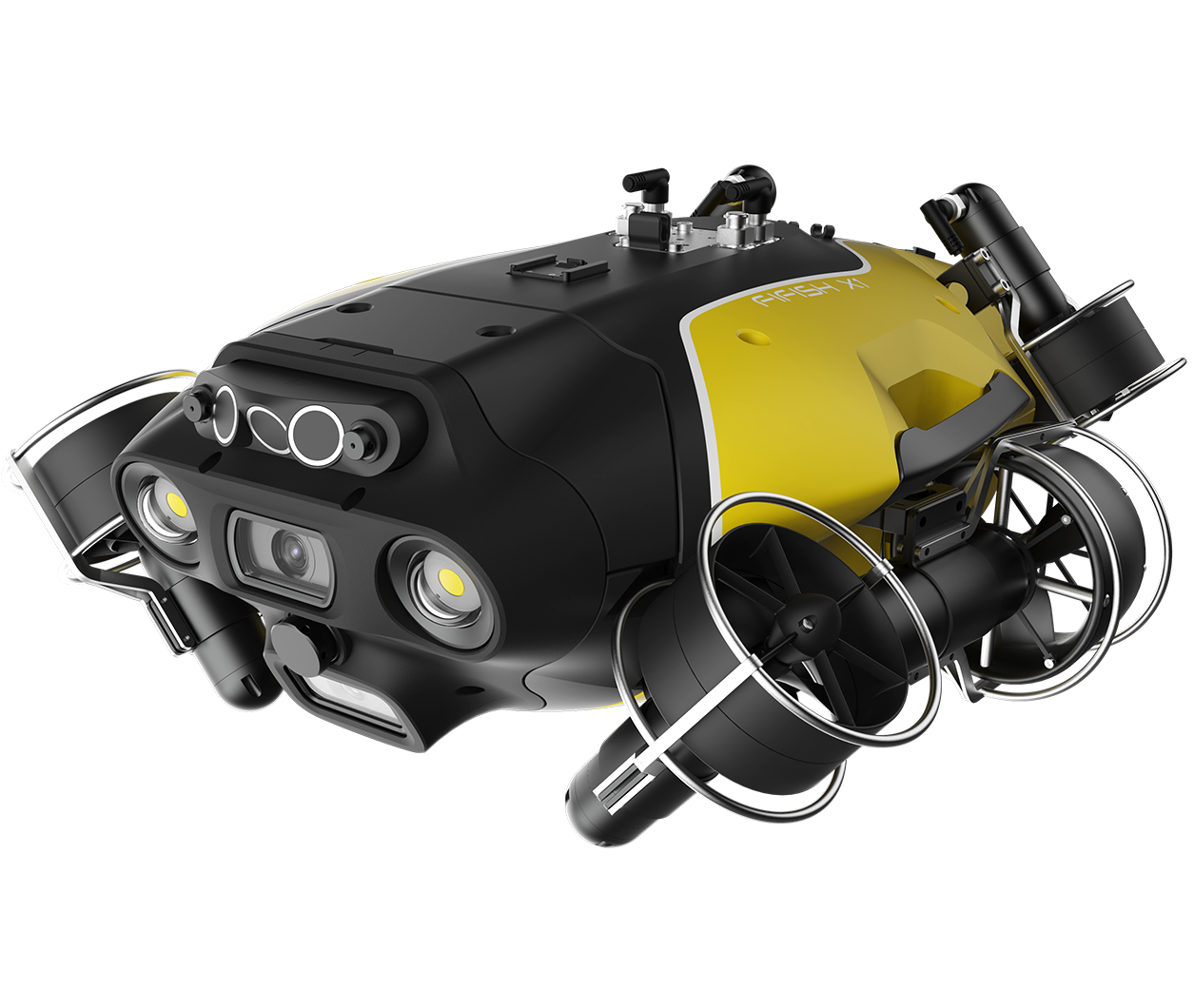
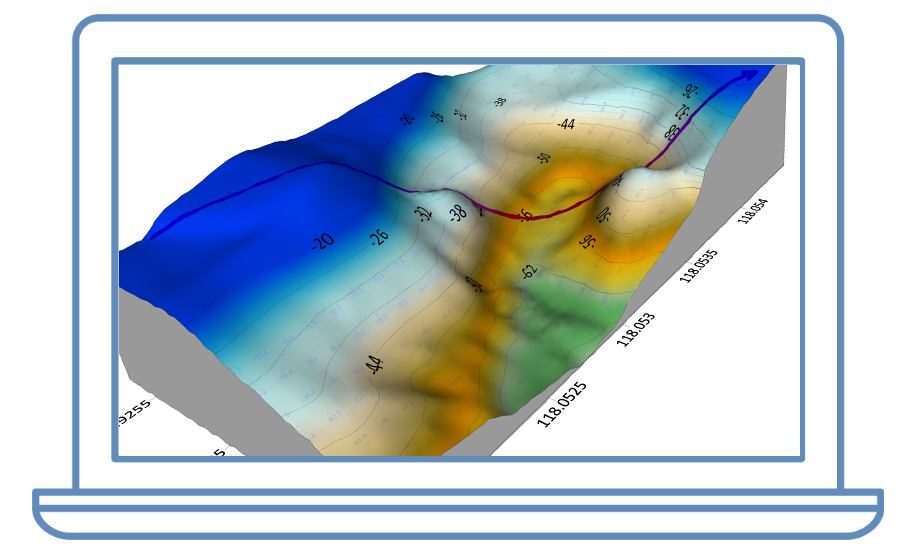
August 10, 2026 —As it marks its 10th anniversary, QYSEA today unveiled its strategy for intelligent underwater task systems, outlining the company’s next stage of development. The strategy represents QYSEA’s vision to build the foundation for intelligent underwater operations, where underwater environments can be better modeled, missions can be executed autonomously, and robotic systems can collaborate across connected networks.
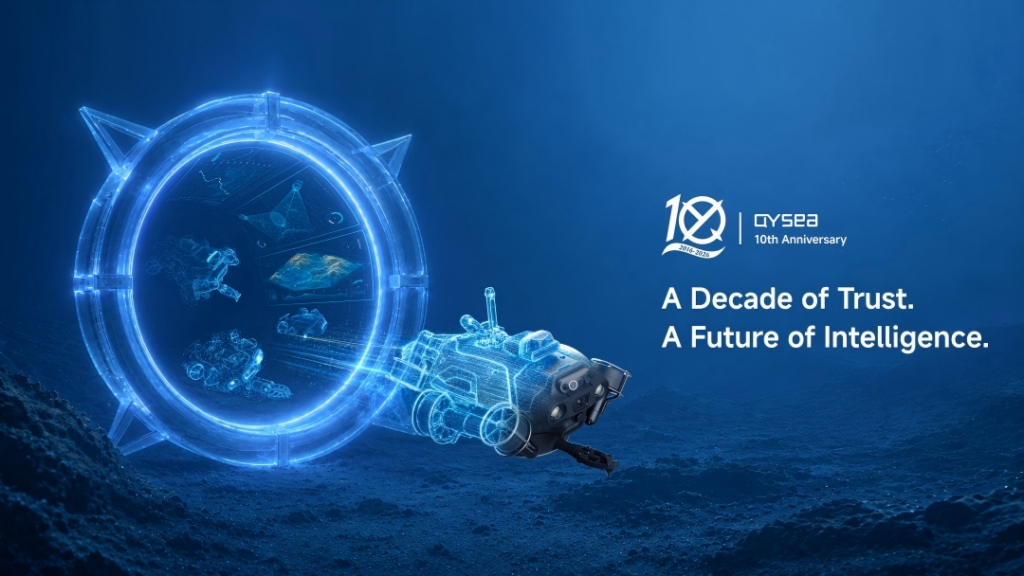
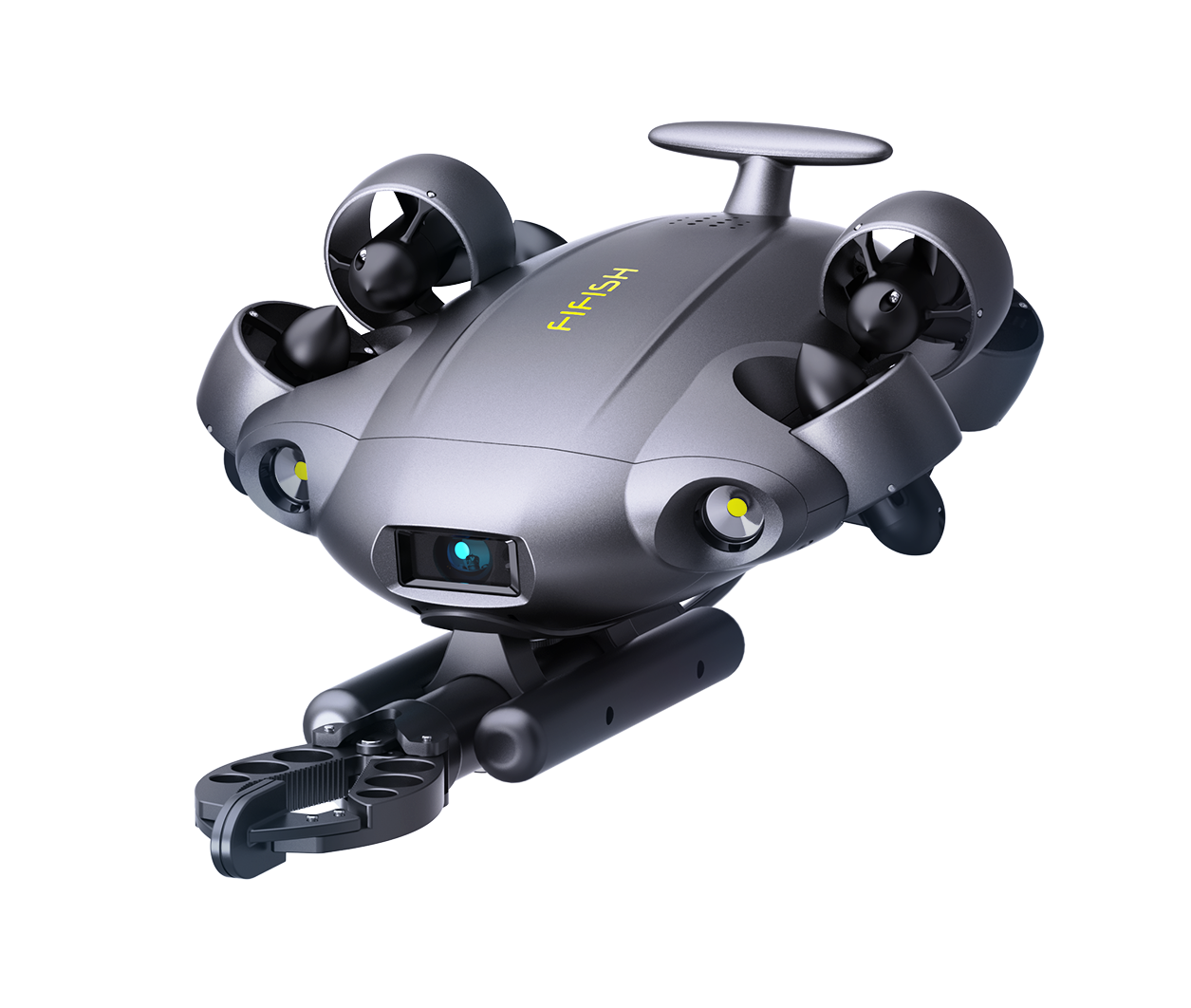
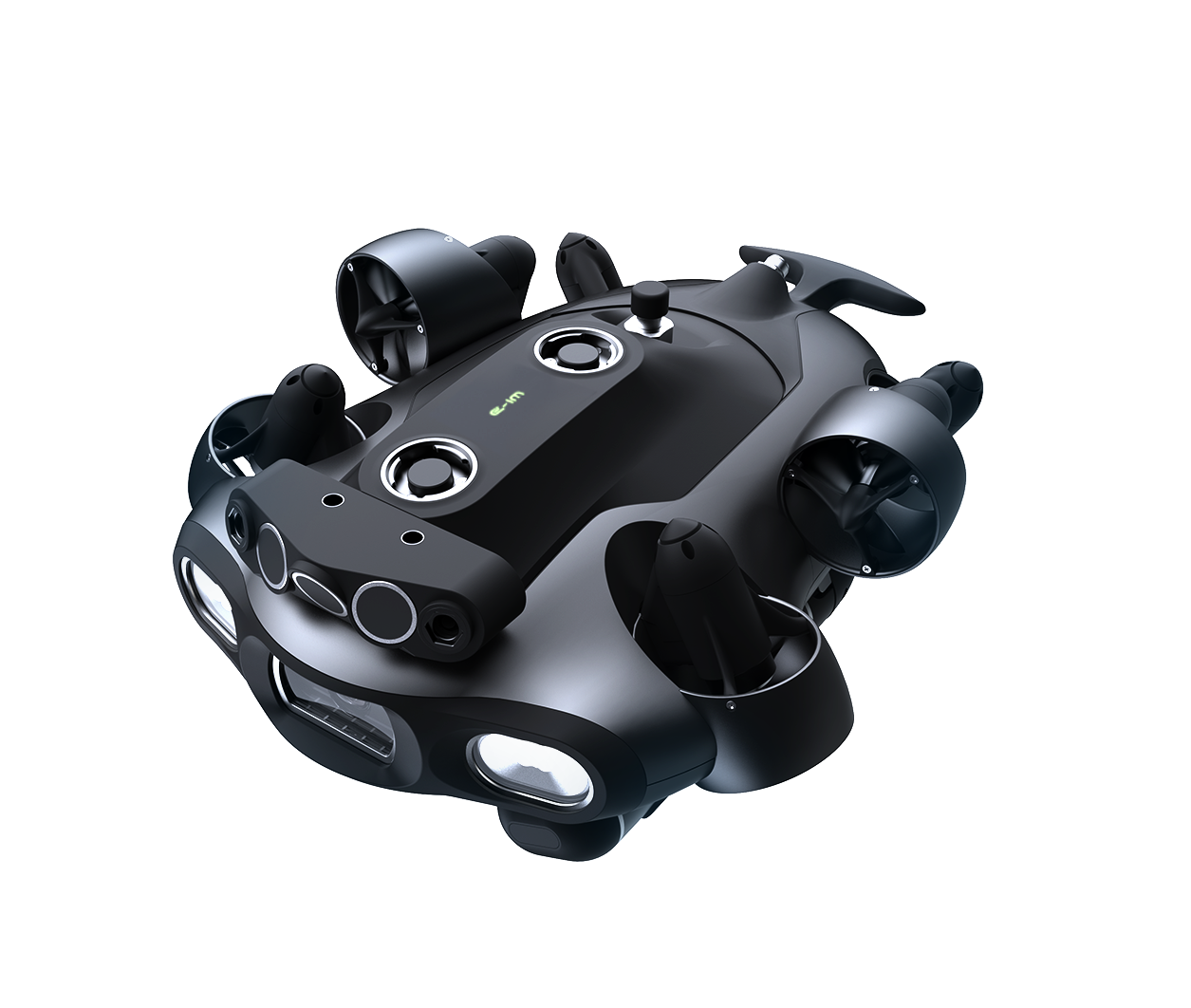
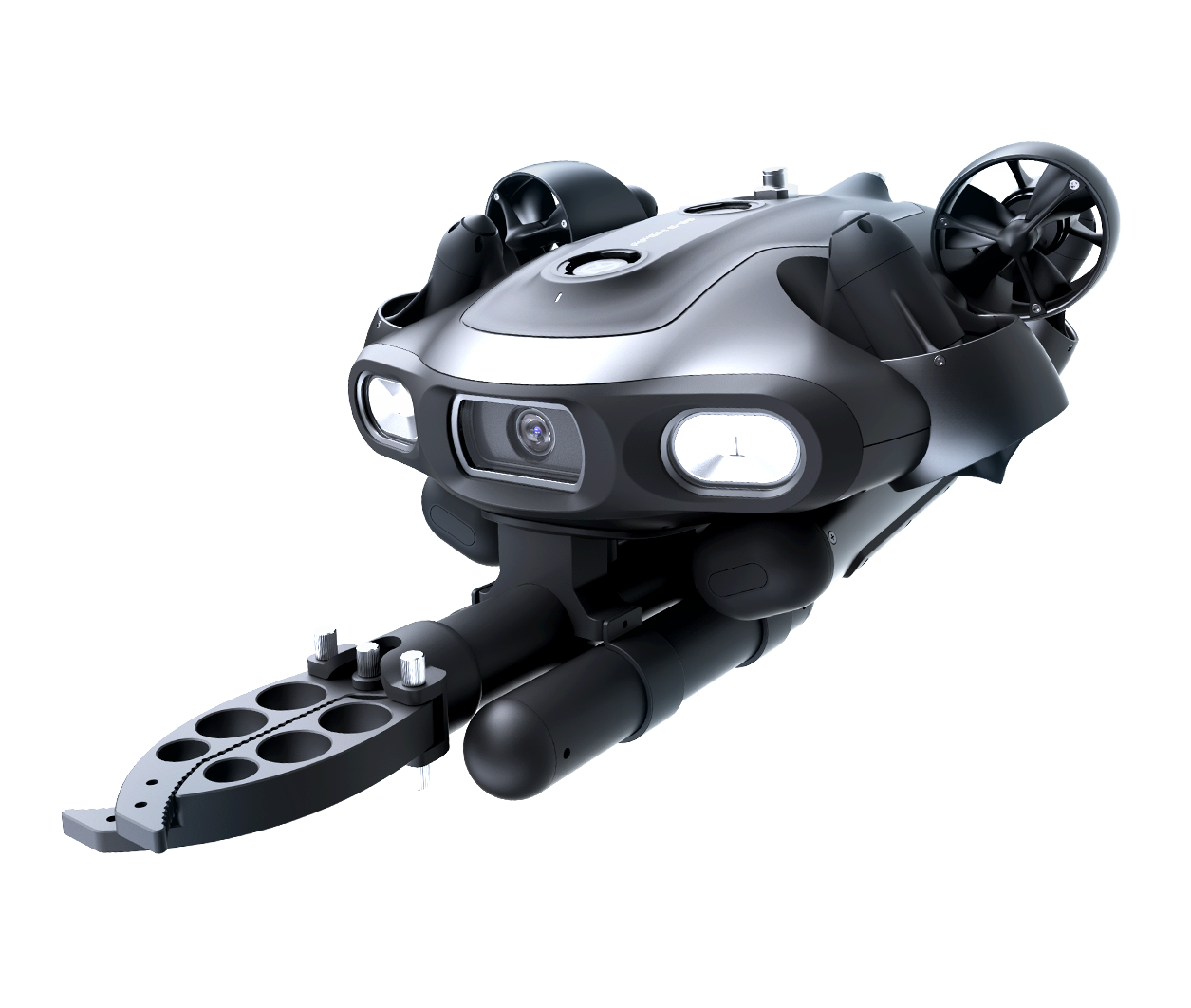
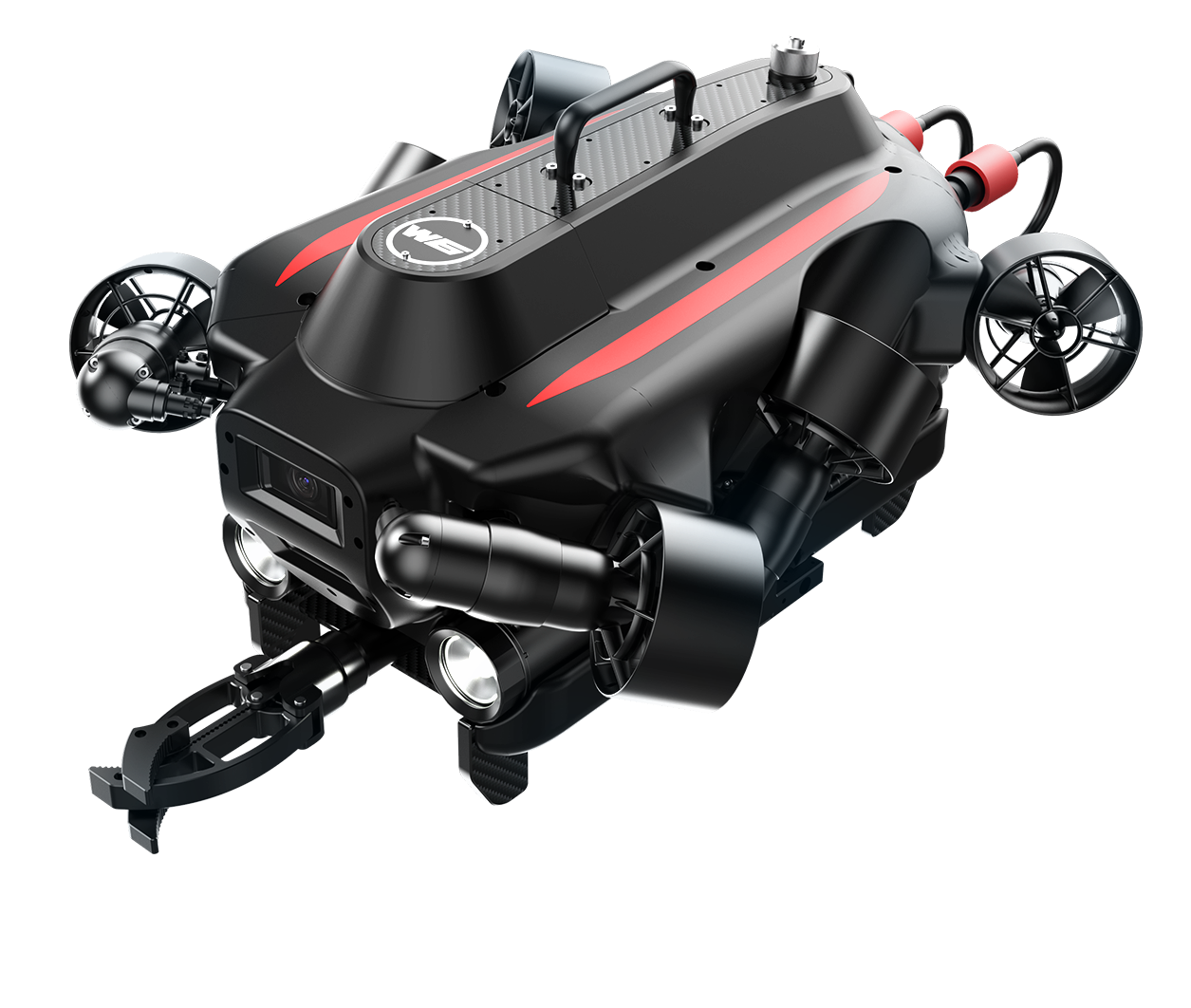
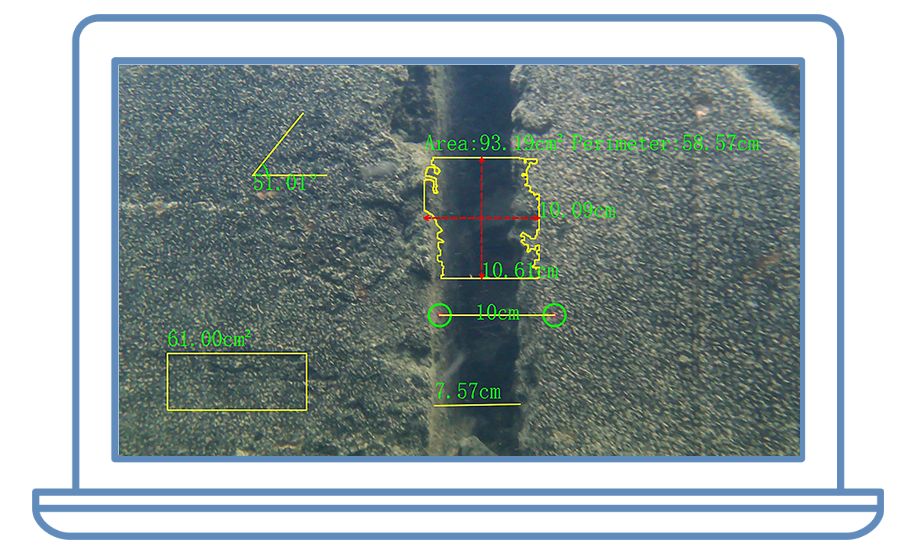
The complexity and variability of the physical underwater world present shared challenges across the industry, requiring a solid foundation built on reliable robotic capabilities, adaptive task execution, and intelligent understanding of underwater environments. Building on a decade of innovation and a global presence spanning more than 130 countries and regions, QYSEA’s journey has progressed through two key stages. The first phase focused on making professional underwater robotics more accessible through compact structural design, six-degree-of-freedom omnidirectional mobility, and vertically integrated R&D and manufacturing capabilities, lowering deployment barriers and enabling broader application. The second phase expanded QYSEA’s capabilities from underwater observation to professional task execution, covering inspection, measurement, and surveying through integrated robotic platforms, modular payloads, and software solutions. To date, QYSEA has been granted more than 120 patents worldwide, reflecting its sustained investment in underwater robotics innovation. This technological foundation has been validated through real-world deployments across critical industries, including deployments with major energy companies in the Middle East for offshore jacket, water tank and pipeline inspections, as well as underwater mapping and modeling; support for European ship inspection providers conducting classification-compliant inspections, and salmon farming operations in Norway and Chile, where QYSEA enables standardized net-pen inspections and seabed monitoring.
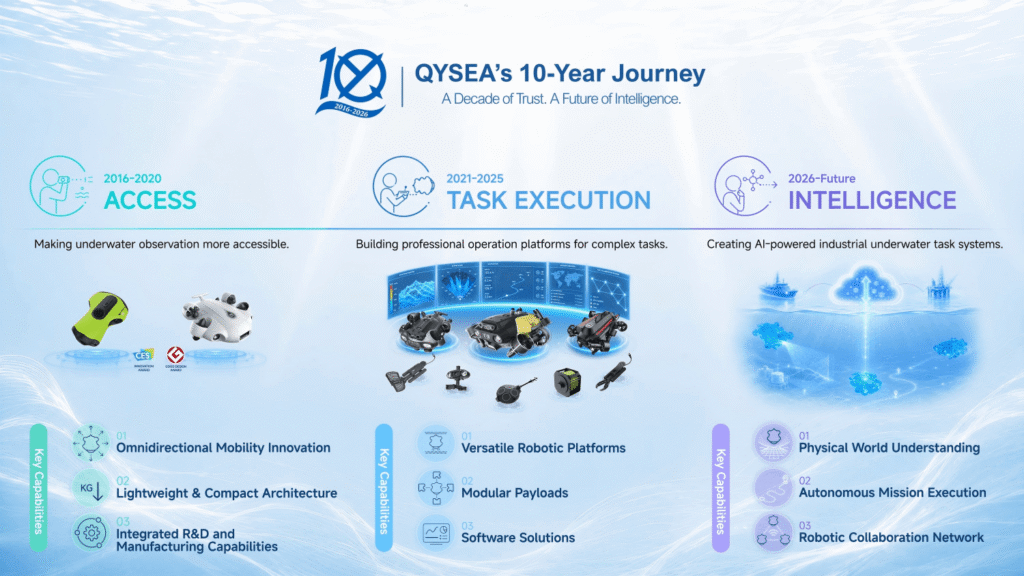
“The next decade of underwater robotics will be defined not only by what a robot can do during a mission, but by what every mission teaches the system,” said Belinda Zhang, CEO of QYSEA. “By combining physical world understanding, autonomous mission execution and robotic collaboration networks, QYSEA aims to enable more complex underwater tasks with greater safety, consistency and intelligence.”
Looking ahead, QYSEA believes intelligent underwater task systems will reshape how industries approach underwater operations — enabling more standardized, efficient and scalable ways to inspect, maintain and manage complex underwater assets. By combining robotics, AI and accumulated operational knowledge, QYSEA is laying the foundation for a new era of underwater physical intelligence, where the underwater world can be better perceived, understood and managed.
Share: